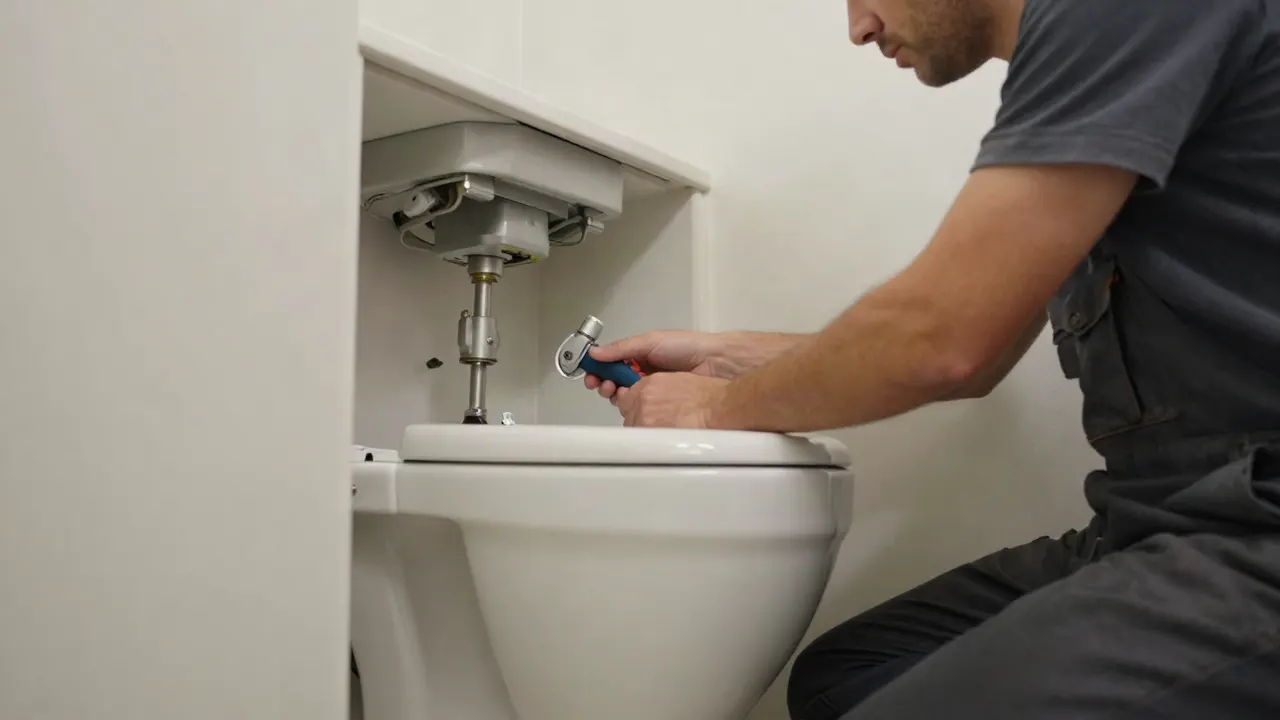
Why is my drain always clogging in Southlake
Your drain keeps clogging because something is still in the line. Here are the real causes behind recurring drain clogs in Southlake TX and how to stop them.
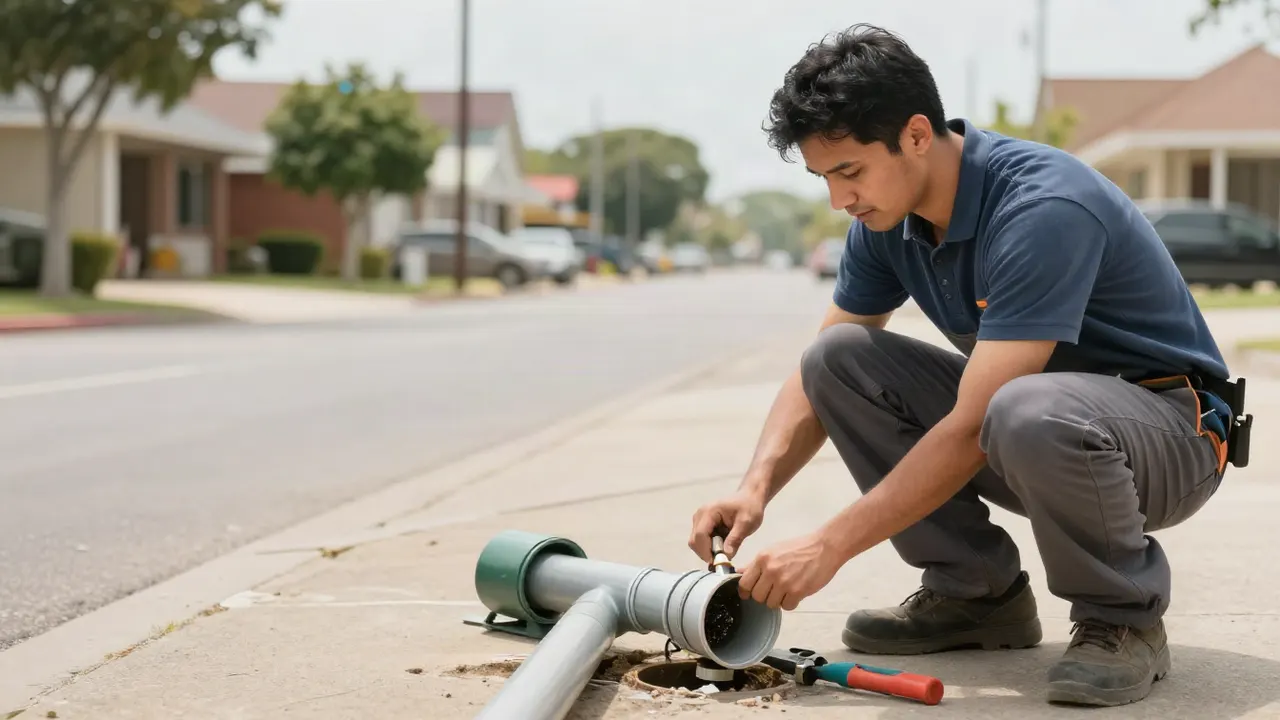
Your drain keeps clogging because the line was never actually cleared - something is still sitting in the pipe, and every load of water packs it tighter. In Southlake, that something is usually tree roots, hard-water scale, or grease that has bonded to the pipe wall. A plunger moves the blockage; it does not remove it.
Below we break down the specific causes we find in Southlake homes, how the local water and soil make each one worse, and what actually stops the cycle.
Why is my drain always clogging in Southlake?
Why is my drain always clogging in Southlake is really a question about what is left inside the pipe after each "fix." A drain that clogs every three to six weeks is not unlucky. It has a partial obstruction - a root hair, a scale ridge, a grease collar - that catches debris until the pipe seals shut again.
Recurring drain clogs in Southlake TX almost always trace back to one of five things: tree roots in the lateral line, mineral scale from hard water, grease and soap scum buildup, aging cast iron or Orangeburg pipe, or a sagging line that holds water. We find at least one of these on nearly every repeat call we run.
If you have already snaked the drain twice this year, the snake is telling you something. It punched a hole through the blockage and left the rest of it in place.
The five causes we find most often in Southlake homes
1. Tree roots in the sewer lateral
Southlake lots are heavily landscaped. Live oaks, pecans, and crepe myrtles send roots toward the wettest thing on the property, and that is your sewer lateral. A root hair enters through a joint or a hairline crack, then thickens into a mat that catches everything you send down the line.
Root clogs behave differently from other blockages. They slow the drain for weeks, then close it fast. You will often see the same fixture back up first every time - usually the lowest drain in the house.
2. Hard water scale
Southlake water runs hard. That calcium and magnesium leaves scale on the inside of your pipes the same way it leaves spots on your shower glass. Over years, the scale narrows the pipe, and rough scale grabs hair and soap. A 2-inch drain can lose a third of its diameter to scale.
3. Grease, soap scum, and wipes
Grease never leaves on its own. It cools in the pipe, coats the walls, and hardens. Soap scum does the same thing in bathroom lines. Add a single "flushable" wipe and you have a plug that a plunger cannot touch.
4. Aging pipe material
Homes built in Southlake from the late 1970s through the 1990s often have cast iron drain lines. Cast iron rusts from the inside, and the rough surface catches debris. Some older lines are Orangeburg, a tar-paper pipe that collapses over time. Both create the same symptom: a drain that clogs, gets cleared, and clogs again.
5. Bellies and backfall
A belly is a low spot in the line where water sits instead of draining. Soil movement, settling, and root pressure all cause them. Standing water in the pipe means debris settles out of the flow and builds up right there.
What causes recurring drain clogs in Southlake TX?
What causes recurring drain clogs in Southlake TX is almost always a combination, not a single item. A root intrusion plus scale plus a low spot gives you a drain that backs up every few weeks no matter how many times you snake it.
That is why we camera the line before we clear it. A drain snake tells you a blockage exists. A camera tells you what it is, where it sits, and whether the pipe itself is still sound. We run a camera on every repeat clog because guessing costs you another service call in a month.
Here is the pattern we see most often in Southlake:
- Kitchen sink, every 4-8 weeks: grease and scale in a long horizontal run.
- Lowest shower or tub, every 2-6 weeks: roots or a belly in the main lateral.
- Multiple fixtures at once: the main line, not a branch drain.
- Gurgling toilets and slow tubs together: a partial main-line blockage.
If two or more fixtures are involved, stop treating it as a single-fixture problem. That is a main-line issue, and it will keep coming back until the main line is cleared properly. Our team handles drain cleaning southlake TX with a camera inspection built into the visit, so you know what you are dealing with before we leave.
Why Southlake's water and soil make clogs worse
Southlake sits on heavy, expansive clay soil, and that clay moves with every wet and dry cycle. When the ground shrinks in a dry summer, it pulls on the sewer lateral. When it swells after a storm, it pushes back. That movement opens joints and cracks pipe - which is exactly how roots get in.
Our water hardness is the second half of the problem. Hard water builds scale in the drain line and shortens the life of water heaters, faucets, and fixtures at the same time. If you are replacing cartridges and showerheads more often than you should, the same mineral load is narrowing your drains. A water softener installation southlake TX removes the calcium before it reaches your pipes and fixtures, and it is one of the few upgrades that pays you back on both the plumbing and the appliance side.
Older neighborhoods on the west side of town, closer to the lake, deal with more root pressure because the soil stays damp longer. Newer construction on the east side deals with more scale and more backfall from settling. Different problems, same symptom.
Common mistakes that keep your drain clogged
Most repeat clogs we get called out for involve one of these mistakes. Each one makes the next clog worse.
- Using chemical drain cleaner as maintenance. Caustic cleaners eat a channel through the clog and leave the rest. They also damage older pipe and are hard on the seals in your fixtures.
- Snaking without a camera. You clear the blockage and never learn it was roots. Two months later, the same roots are back.
- Flushing wipes, paper towels, or "flushable" cat litter. None of these break down. They catch on scale and roots and form the core of the next clog.
- Pouring grease down the drain "with hot water." The hot water cools on the way down. The grease sticks.
- Ignoring a slow drain. A drain that takes 30 seconds longer to empty is already 60-70 percent blocked. That is the cheapest moment to fix it.
- Running a plunger on a chemical-treated drain. If you have already poured cleaner in, do not plunge. You will splash caustic water back at yourself.
One more: never put a drain snake down a line you have already treated with chemicals without telling the plumber. We need to know so we can protect ourselves and your floors.
How to prevent drain clogs in Southlake Texas
How to prevent drain clogs in Southlake Texas comes down to three habits: keep the wrong things out of the drain, deal with scale, and catch root intrusion before it closes the line.
- Screen every drain. A $10 hair catcher in each tub and shower removes most of what causes bathroom clogs.
- Wipe grease into the trash. Pour off cooled grease into a can, then wipe the pan with a paper towel before washing.
- Run hot water after every kitchen use. Thirty seconds of hot water flushes loose debris through the branch line before it settles.
- Flush with hot water and dish soap monthly. One pot of hot water plus a squirt of dish soap once a month keeps a clean line clean.
- Treat scale. Softened water or a whole-house filter cuts the mineral load that roughs up your pipe walls.
- Camera the main line every 18-24 months if you have mature trees within 15 feet of the lateral.
If your home still has cast iron or Orangeburg drain lines, prevention buys you time but not a permanent fix. At some point the pipe has to be replaced. We handle sewer line repair southlake TX and full replacements when the camera shows the pipe is past saving.
For homes with recurring clogs and aging pipe, we also look at the supply side while we are there. A repiping services southlake TX project is a bigger job, but if your drain lines and supply lines were installed in the same decade, they tend to fail in the same decade too.
When to call a professional
Call a plumber when the same drain clogs twice in three months, when two or more fixtures back up at once, or when you see sewage smell or standing water in the yard. Those are main-line symptoms, and no amount of home maintenance will clear them.
Also call if you hear gurgling from a toilet when the tub drains, if water backs up in a floor drain, or if your cleanout is overflowing. Each of those points to a blockage past the fixture trap - somewhere a hand snake cannot reach.
Southlake Oakline Plumbing runs a camera down the line on every repeat clog, clears the blockage, and tells you what caused it so the next visit is a maintenance call, not an emergency. We work across Southlake and the surrounding areas, and we quote the job before we start.
Frequently Asked Questions
Why does my drain keep clogging in Southlake?
Because the underlying obstruction was never removed. Most repeat clogs in Southlake come from tree roots in the sewer lateral, hard-water scale, or grease bonded to the pipe wall. A plunger or hand snake punches a hole through the blockage and leaves the rest in place, so it re-forms within weeks.
What causes recurring drain clogs in Southlake TX?
Recurring clogs are usually a combination: root intrusion plus scale plus a low spot in the line. Southlake's expansive clay soil shifts with wet and dry cycles, cracking pipe joints and letting roots in. Hard water adds scale that narrows the pipe. Together they cause clogs every 4-8 weeks.
How can I prevent drain clogs in my Southlake home?
Screen every drain, wipe grease into the trash instead of the sink, run 30 seconds of hot water after each kitchen use, and flush with hot water and dish soap monthly. If you have mature trees within 15 feet of the sewer lateral, camera the main line every 18-24 months.
When should I call a plumber for a clogged drain in Southlake?
Call when the same drain clogs twice in three months, when two or more fixtures back up at once, or when you smell sewage or see standing water in the yard. Those point to a main-line blockage. Gurgling toilets and overflowing cleanouts are also signs to call.
Does chemical drain cleaner make clogs worse?
Yes, over time. Caustic cleaners burn a channel through the clog and leave the rest, so the blockage returns. They also damage older cast iron and Orangeburg pipe and attack the seals in faucets and toilets. Mechanical clearing with a camera is the only way to remove the whole obstruction.
Get help with plumbing in Southlake
If your drain has clogged more than twice this year, the line needs a camera, not another bottle of cleaner. We clear it, show you what caused it, and tell you honestly whether it is a maintenance issue or a pipe that needs replacing.
Call Southlake Oakline Plumbing at (682) 470-5111 to schedule drain cleaning in Southlake. We serve homeowners across the area and quote the work before we start.