How to detect a hidden water leak in your home
Hidden water leaks waste thousands of gallons and rot framing before you see a drop. Here's how Southlake homeowners find them fast, with or without a pro.
The fastest way to detect a hidden water leak in your Southlake home is to shut off every fixture, confirm the water meter's low-flow indicator has stopped, and watch it for 15 minutes - if it creeps, you have a leak. Then narrow it down by isolating the irrigation system, checking the water heater pan, and reading your usage on the city portal against a normal month. Everything below is how we actually do it, in order, from the meter to the slab.
Hidden leaks are the expensive kind because you don't see them until the damage is done. A pinhole on a copper line behind drywall can push 30 to 60 gallons a day into your framing. Southlake's expansive clay soil makes slab leaks worse than in most of Texas, and our hard water eats through older copper and galvanized pipe faster than homeowners expect. If you want the short version, our team handles leak detection southlake TX every week and can usually pinpoint the source in under two hours.
What a hidden water leak actually is
How to detect hidden water leak southlake is really a question about finding water you can't see - a hidden water leak is a pressurized or drain-line failure that loses water inside a wall, under a slab, or beneath a foundation without surfacing where you'd notice it. It's different from a dripping faucet you can hear. Hidden leaks run silently, often for weeks, and show up as a high water bill, a warm spot on the floor, or a musty smell long before they show up as a puddle.
There are three types we see most in this area. Pressurized supply leaks on copper or PEX lines inside walls. Slab leaks where the line under the foundation has failed. And drain-line leaks where a cast iron or PVC waste pipe has cracked under a bathroom or kitchen. Each one has a different signature, and each one has a different fix.
How do I detect a hidden water leak in my Southlake home?
You detect a hidden water leak in your Southlake home by running a meter test, checking your water bill against a normal month, and looking for the physical signs - warm floors, musty odors, bubbling paint, and unexplained moisture. Start with the meter because it's free and it takes 20 minutes. If the meter moves with everything off, you have a leak. If it doesn't, the leak may be on the drain side or intermittent, which is where a professional acoustic listen or thermal scan earns its cost.
Here's the order we recommend:
- Shut off every fixture, appliance, and irrigation zone.
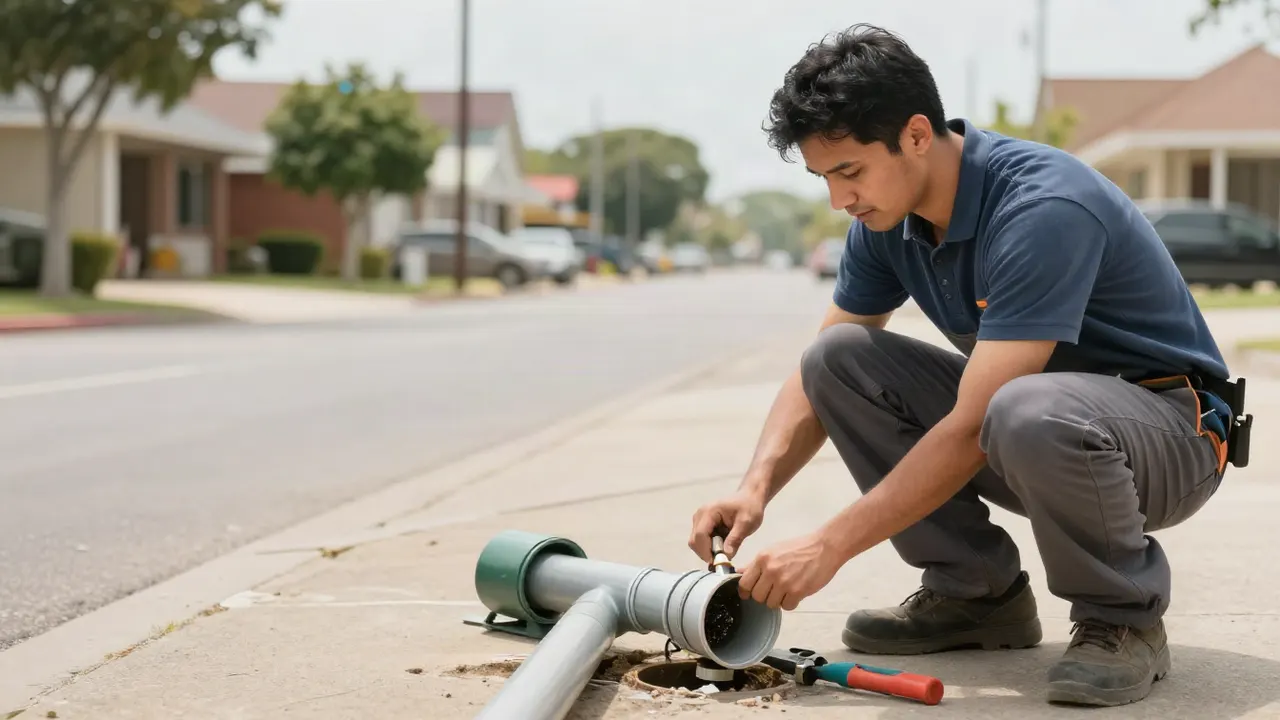
- Find your meter box - usually near the curb in Southlake neighborhoods like Timarron and Carillon.
- Lift the lid and watch the low-flow indicator (the small triangle or dial).
- Wait 15 minutes. Any movement means water is moving through the meter.
- Shut off the main at the house. If the meter still moves, the leak is between the meter and the house.
If the meter test points inside the house, the next step is isolating the water heater. A failed T&P valve or a leaking tank can mimic a supply leak. If you're seeing water near the heater, our water heater repair southlake TX team can pressure-test the tank and the lines feeding it in one visit.
What are the signs of a hidden water leak in Southlake TX?
The signs of a hidden water leak in Southlake TX are a water bill that jumps 20% or more with no change in habits, a warm or damp spot on a slab floor, a musty smell in a closet or under a cabinet, and paint or drywall that bubbles or feels soft. Any one of these is worth a meter test. Two or more together usually means the leak has been running for weeks.
The signs we see most often:
- Water bill spike. A family of four in Southlake typically uses 8,000 to 12,000 gallons a month. A jump of 2,000 gallons is a leak the size of a pencil tip.
- Warm floor spots. A hot-water line under the slab will heat the tile above it. If one square of your kitchen floor is warmer than the rest, that's a supply leak.
- Musty odor. That smell is mold feeding on wet framing. It usually shows up in the cabinet under a sink or in a closet backing up to a bathroom wall.
- Bubbling or cracking paint. Paint doesn't bubble for no reason. Water behind the drywall pushes it off the surface.
- Sound of running water. Put your ear to the baseboard at night. A faint hiss that never stops is a pressurized leak.
- Foundation cracks that grow. Southlake's clay soil moves with moisture. A leak under the slab makes one side wetter than the other and the foundation follows.
If you're seeing any of these alongside a slow drain or gurgling toilet, the problem may be on the drain side rather than the supply side. Our drain cleaning southlake TX crew can camera the line and tell you whether the leak is a crack in the pipe or a blockage backing water up into the joint.
The meter test: your fastest free diagnostic
The meter test is the single most useful DIY leak detection Southlake homeowners can run, and it costs nothing but 20 minutes. It won't tell you exactly where the leak is, but it will tell you whether you have one, and whether it's on the supply side or the irrigation side.
Two things trip people up. First, irrigation. Southlake's clay soil and hot summers mean most homes run sprinklers three to four times a week. If you don't shut off the irrigation zone at the controller, a weeping valve will keep the meter spinning and you'll chase a leak that isn't in the house. Second, the water softener. A softener in regeneration cycles water through the drain line for 60 to 90 minutes. If your meter moves during that window, it's the softener, not a leak.
Once you've ruled those two out, run the test again. If the meter is still moving with the main shut off at the house, the leak is between the meter and the house - usually a service line under the front yard. That's a job for a pro with a line locator, not a homeowner with a shovel.
Where hidden leaks hide in Southlake homes
Hidden leaks in Southlake homes cluster in predictable places, and knowing where to look saves hours. The three we find most often are under slab, inside the wall behind a shower valve, and in the irrigation mainline.
Under the slab
Slab leaks are the Southlake specialty. Our soil expands when wet and shrinks when dry, and that movement stresses copper lines under the foundation until they crack. The tell is a warm spot on the floor, a spike in the water bill, or a foundation crack that appears out of nowhere. Fixing one means finding the exact spot with acoustic equipment before anyone cuts concrete - which is why we run leak repair southlake TX with electronic listening gear rather than guesswork.
Behind shower and tub walls
A failed shower valve or a cracked drain shoe leaks into the wall cavity every time you shower. You won't see it from the bathroom side. You'll see it as a soft spot in the drywall on the opposite side of the wall, or a stain on the ceiling below. If the tile is loose or the grout is cracking around the drain, that's a strong hint. Our shower repair southlake TX team reseals and replaces valves before the framing gets wet enough to rot.
Irrigation mainline
Southlake irrigation systems run 40 to 60 PSI and cycle daily in summer. A cracked mainline between the backflow preventer and the first zone valve will lose hundreds of gallons a week without ever surfacing. The giveaway is a greener strip of grass in an otherwise dry yard, or a low spot that stays wet two days after the sprinklers run.
Water heater closet and pan
Tank water heaters in Southlake typically last 8 to 12 years. When the tank itself starts weeping, the pan catches it and the leak hides until the pan overflows. Check the pan monthly. If it's wet and the fittings are dry, the tank is failing.
Common mistakes homeowners make
The biggest mistake is waiting for visible water before calling anyone. By the time a hidden leak surfaces as a stain or a puddle, it's usually been running for three to six weeks and the repair bill has tripled. The second mistake is shutting off the wrong valve and concluding there's no leak.
Others we see:
- Ignoring a small bill bump. A 1,500-gallon jump is a leak, not a rounding error.
- Running the meter test with the irrigation on. You'll chase a phantom leak for a week.
- Cutting into drywall before locating the leak. We've seen homeowners open three walls and find the leak in the fourth. Acoustic and thermal tools find it in one.
- Assuming a warm floor is a slab leak. Sometimes it's a recirculating hot water line running under the tile. A pro can tell the difference in 10 minutes.
- Patching the symptom, not the pipe. Kilz on a ceiling stain doesn't fix the shower valve above it.
When to call a professional
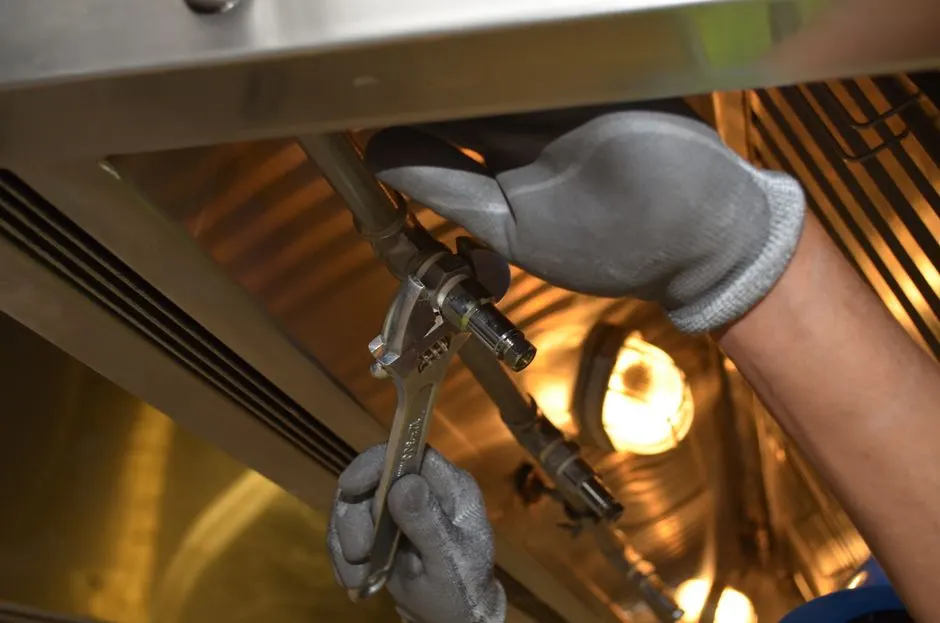
Call a professional when the meter test shows movement with the main shut off, when you can't find the source after 30 minutes of looking, or when you suspect a slab leak. Those three situations need equipment homeowners don't have - acoustic listening discs, thermal cameras, and a line locator - and guessing wrong means cutting concrete or drywall in the wrong place.
At Southlake Oakline Plumbing, we run leak detection with electronic acoustic gear and thermal imaging, then repair the line and pressure-test it before we leave. You get a written scope and a flat price before we start, and we clean up the work area. If the leak turns out to be on the drain side, we camera the line and quote the fix on the spot. We also handle the follow-on work - repiping a section of failed copper, replacing a shower valve, or resetting a water heater - so you're not coordinating three trades.
If you're also dealing with aging pipes throughout the house, it may be worth talking through repiping services southlake TX rather than patching one leak at a time. We'll tell you honestly which makes more sense for your home's age and pipe material.
Frequently Asked Questions
How do I detect a hidden water leak in my Southlake home?
Shut off every fixture and irrigation zone, then watch your water meter's low-flow indicator for 15 minutes. If it moves, you have a leak. Confirm by comparing your current bill to a normal month - a jump of 2,000 gallons or more points to a hidden leak.
What are signs of a hidden water leak in Southlake TX?
The main signs are a water bill up 20% or more, a warm or damp spot on a slab floor, a musty smell under cabinets, bubbling paint, and the faint sound of running water at night. Two or more together usually means the leak has been active for weeks.
When should I call a plumber for a water leak in Southlake?
Call us when the meter still moves with the main shut off, when you can't find the source in 30 minutes, or when you suspect a slab leak. Slab leaks need acoustic and thermal equipment to locate before anyone cuts concrete.
How much does leak detection cost in Southlake?
Typical 2026 pricing for professional leak detection in Southlake runs $250 to $450 for a residential call, depending on whether it's a slab, wall, or yard leak. That fee is usually credited toward the repair if you have us do the fix.
Can I find a hidden leak without tearing out drywall?
Yes. Acoustic listening equipment and thermal cameras locate most leaks behind drywall or under slab without opening anything. We mark the spot, then open only the section that needs repair - usually a 12-inch square, not a whole wall.
Get help with plumbing in Southlake
If your meter is moving and you can't find the source, we'll come out, locate it, and give you a flat price to fix it. Call Southlake Oakline Plumbing at (682) 470-5111 and we'll get a technician to your door.