How to prevent frozen pipes in Southlake this winter
Southlake pipes freeze when overnight lows hit the low 20s. Learn insulation, drip, and shutoff tactics that stop burst pipes before they flood your home.
You prevent frozen pipes in Southlake by keeping every exposed water line above 32°F during the roughly 30 to 40 nights each winter when the temperature drops below freezing. That means insulating pipes in attics, garages, and crawl spaces, dripping faucets on the coldest nights, and sealing the exterior gaps where cold air reaches your plumbing. Southlake sits in USDA Zone 8a, so our freezes are short but sharp - and that is exactly what catches homeowners off guard.
This guide covers the temperatures that actually threaten your pipes, the eight prevention steps we use on service calls across Southlake, what to do the moment a pipe freezes, and when a repair call is the cheaper option. We have thawed and repaired hundreds of frozen lines in this area, and the same handful of failure points show up every January.
How cold does it get in Southlake for pipes to freeze?
Pipes in Southlake begin to freeze when the outdoor temperature holds at 20°F or below for four or more consecutive hours. The National Weather Service records overnight lows in the low 20s and teens for Southlake several times each winter, usually during Arctic fronts that push down from the Panhandle between late December and mid-February.
Wind matters as much as the number on the thermometer. A 20°F night with 15 mph wind drives the effective temperature on an exposed pipe wall down to roughly 9°F. That is why an uninsulated hose bib on the north side of a Southlake house can freeze on a night when the pipes in your slab stay perfectly fine.
Three thresholds are worth remembering:
- Above 32°F: no freeze risk for running water.
- 28°F to 32°F: exposed pipes in attics and garages can freeze if the freeze lasts more than six hours.
- Below 20°F: any uninsulated or draft-exposed pipe is at risk, including lines inside exterior walls.
If you want a broader picture of how we handle cold-weather plumbing calls in this area, our team covers plumbing southlake TX year-round and sees the same pattern every freeze event.
Why Southlake homes are vulnerable to frozen pipes
Southlake homes are vulnerable to frozen pipes because Texas builders historically ran water lines through unconditioned attic space and exterior walls, relying on the mild climate to keep them safe. That works for 350 days a year. It fails on the other 15.
Three local factors make it worse:
- Slab-on-grade construction. Most Southlake homes built after 1990 sit on post-tension slabs with supply lines buried in or under the concrete. Those lines rarely freeze, but the lines that branch up into exterior walls absolutely can.
- Large attics with long runs. Bigger homes mean more pipe in the attic, and more pipe means more surface area exposed to a 15°F attic on a windy night.
- Irrigation systems. Southlake has heavy irrigation use, and backflow preventers and hose bibs are the first things to crack when a hard freeze arrives.
We also see a spike in calls from neighborhoods along the 114 corridor and near Southlake Town Square when a freeze follows a warm spell. Pipes that have been at 70°F all week do not adjust instantly, and the thermal shock can split a weakened joint.
How to prevent frozen pipes in Southlake: 8 steps that work
Preventing frozen pipes in Southlake comes down to eight steps, ranked by how much damage they prevent per dollar spent. Do the first four before the first hard freeze of the season and the last four on any night the forecast drops below 25°F.
1. Insulate every exposed pipe
Foam pipe sleeves cost about $2 to $4 for a six-foot section at any Southlake hardware store. Wrap every line you can see in the attic, garage, crawl space, and along exterior walls. Pay special attention to elbows and T-joints - those are where ice expands first.
2. Seal the gaps where cold air enters
Expanding foam and caulk around pipe penetrations on exterior walls stop the drafts that freeze pipes from the outside in. A $12 can of spray foam typically closes the biggest offenders in a single afternoon.
3. Disconnect and drain garden hoses
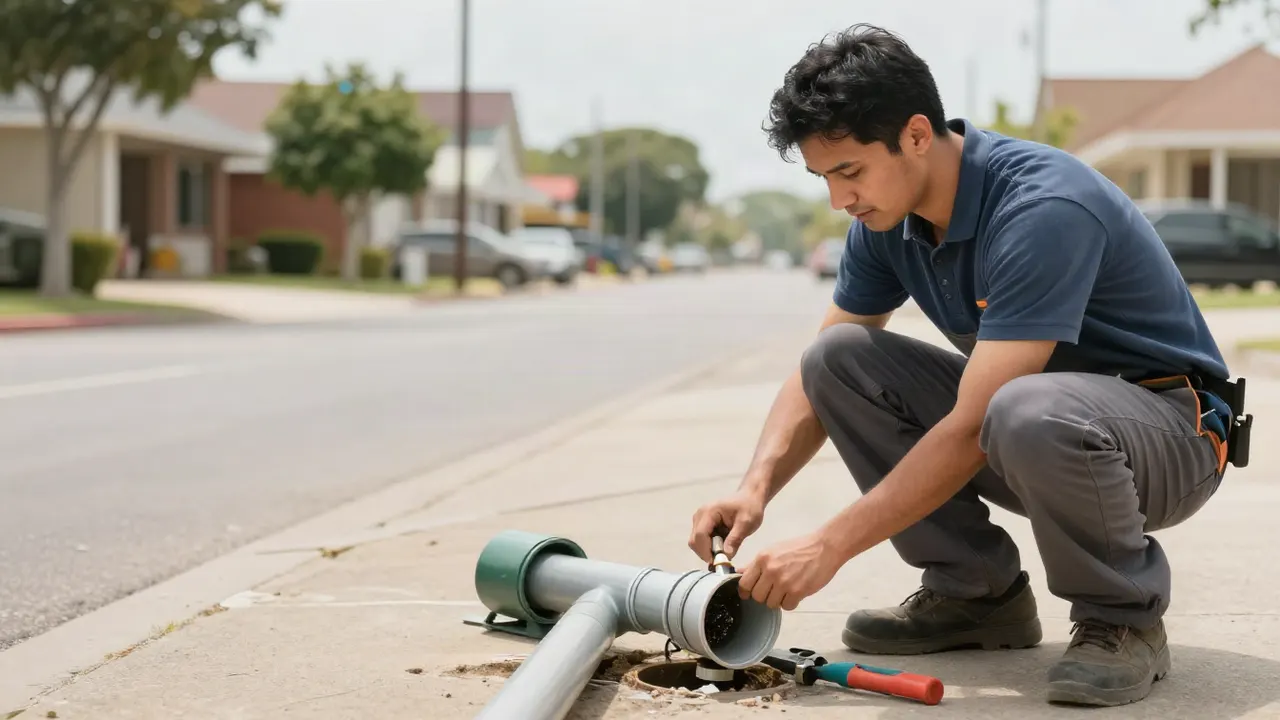
A hose left connected to a spigot traps water in the faucet body. That water freezes, expands, and splits the valve. Disconnect every hose by Thanksgiving and install a foam faucet cover on each outdoor spigot.
4. Shut off and drain the irrigation system
Turn off the irrigation backflow preventer, drain the lines, and insulate the assembly. A cracked backflow preventer is a $250 to $600 repair in 2026 pricing, and it is entirely preventable.
5. Drip the faucets on the coldest nights
When the forecast calls for 25°F or lower, let the faucets on exterior walls drip at a pencil-lead stream. Moving water takes far longer to freeze than standing water, and the drip relieves pressure if ice does start to form.
6. Open cabinet doors under sinks
Kitchen and bathroom sinks on exterior walls sit in cabinets that trap cold air. Open those doors during a freeze so warm indoor air circulates around the pipes.
7. Keep the thermostat steady
Set the thermostat to at least 68°F and leave it there, day and night, until the freeze passes. The few dollars of extra gas are cheaper than a burst pipe. If you are traveling, do not drop below 60°F.
8. Know where your main shutoff is
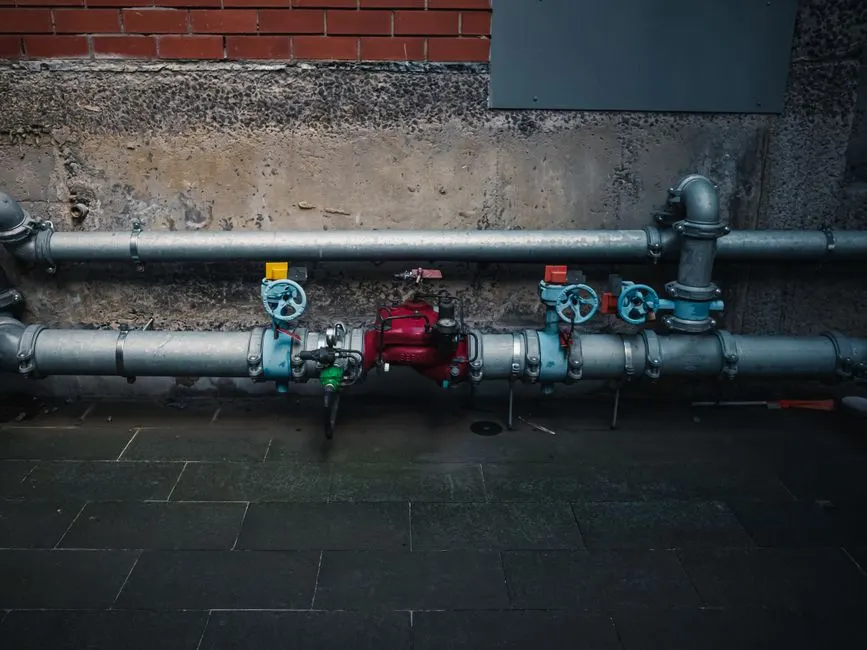
Find the main water shutoff valve before you need it. In most Southlake homes it sits near the street in a concrete box or at the point where the supply line enters the house. Tag it so anyone in the family can find it in the dark.
If you are dealing with a slow drip or a pinhole leak that has been getting worse all fall, that is a separate problem from freezing. Our leak repair southlake TX team can pressure-test the line and fix the weak point before cold weather turns it into a flood.
What to do if your pipes freeze in Southlake TX
If your pipes freeze in Southlake, shut off the main water valve first, then open the nearest faucet and warm the frozen section with a hair dryer, heat lamp, or wrapped towels soaked in hot water. Never use an open flame or a propane torch - you will start a fire inside the wall.
Work from the faucet end back toward the frozen section. As the ice melts, water will start to flow, and any leak the freeze created will show itself immediately. That is why the main valve stays closed until you have confirmed the line is intact.
If you cannot find the frozen section, or if you turn the water back on and hear running water inside a wall, stop and call a plumber. A burst pipe inside a wall can dump 200 to 400 gallons before you notice the damage. Our emergency plumbing southlake TX line is staffed for exactly this scenario, and we can usually be on site within the hour during a freeze event.
Common mistakes that lead to burst pipes
The most common mistake Southlake homeowners make is assuming a short freeze is not dangerous. A four-hour freeze at 18°F will split a copper line just as reliably as a two-day freeze in Minnesota.
Other mistakes we see every winter:
- Leaving the garage door open. A garage that stays at 40°F keeps the pipes above it safe. An open door drops that to 25°F in under an hour.
- Turning the heat off while traveling. A 55°F house feels safe until the power flickers and the furnace resets. Keep it at 60°F minimum.
- Using a space heater on a frozen pipe. Space heaters near insulation and framing are a fire risk. Use a hair dryer on low, or call us.
- Ignoring a dripping faucet. A drip that appears only on cold mornings is often the first sign of a partially frozen line. Fix it before the next freeze.
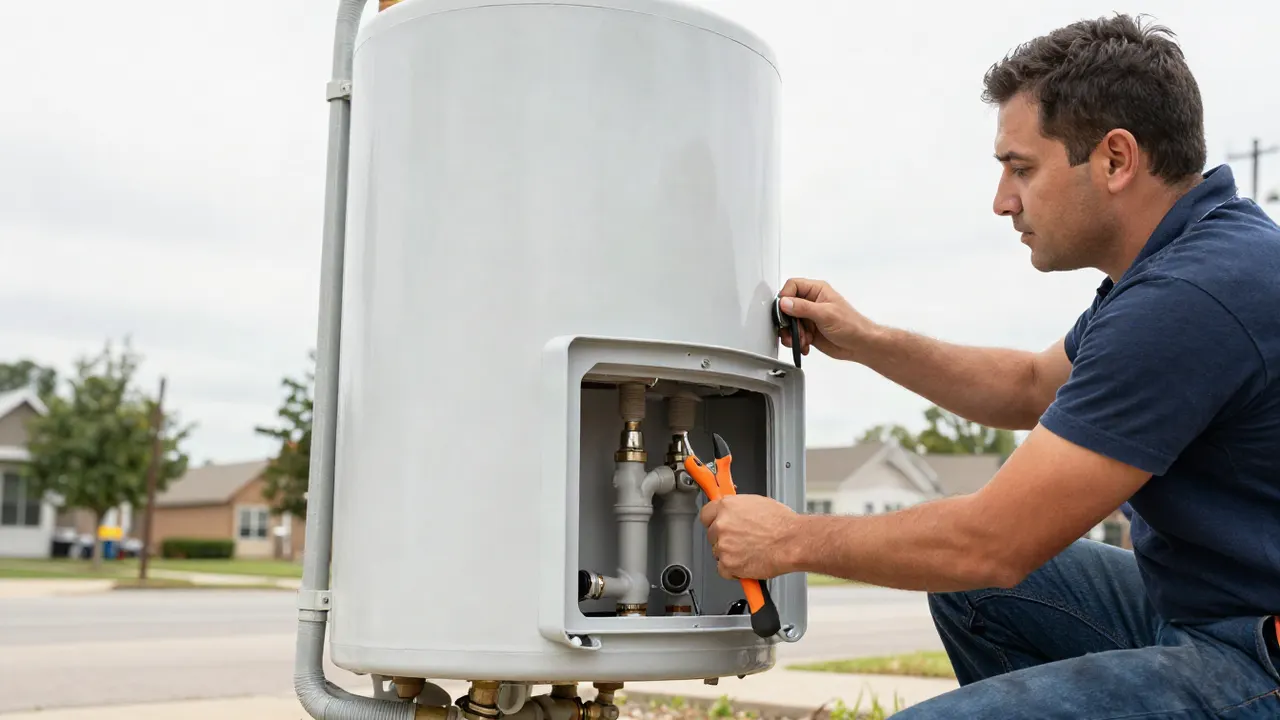
- Forgetting the water heater. A water heater in an unheated garage or attic can freeze its inlet line. Insulate the first three feet of both the hot and cold lines feeding the unit.
If your water heater is older and already struggling to keep up, a freeze is the wrong time to discover it. We handle water heater repair southlake TX all winter, and we can tell you in one visit whether the unit will survive the season.
When to call a professional
Call a professional when you cannot find the frozen section, when the water does not return after 30 minutes of warming, or when you see any sign of water inside a wall, ceiling, or floor. Those are the cases where a $200 thaw turns into a $4,000 water-damage claim if you wait.
Southlake Oakline Plumbing handles frozen pipe calls across Southlake and the surrounding 114 corridor. We thaw the line, pressure-test it, repair any split section, and confirm the whole run holds before we leave. If the freeze exposed a weak pipe that needs replacing, we will tell you straight and give you a flat price before we start.
Frequently Asked Questions
How do I prevent frozen pipes in Southlake?
Insulate every exposed pipe in the attic, garage, and crawl space, seal exterior penetrations with foam, disconnect hoses, and drip faucets on nights below 25°F. Keep the thermostat at 68°F or higher and open cabinet doors under sinks on exterior walls. These eight steps prevent the vast majority of freeze-related bursts we see.
What should I do if my pipes freeze in Southlake TX?
Shut off the main water valve, open the nearest faucet, and warm the frozen section with a hair dryer or hot towels. Never use an open flame. If water does not flow within 30 minutes, or you hear water running inside a wall, call a licensed plumber before restoring pressure.
How cold does it get in Southlake for pipes to freeze?
Pipes freeze when the outdoor temperature stays at 20°F or below for four or more hours. Southlake sees those conditions several times each winter, usually between late December and mid-February. Wind makes it worse - a 20°F night with 15 mph wind can freeze an exposed pipe in under three hours.
Who do I call for frozen pipes in Southlake?
Call a licensed Southlake plumber with 24-hour service. Southlake Oakline Plumbing responds to frozen pipe calls across Southlake and can usually be on site within the hour during a freeze event. We thaw, test, and repair the line in one visit.
How much does frozen pipe repair cost in Southlake?
Thawing a single frozen line typically runs $150 to $350 in 2026 pricing. Repairing a burst copper or PEX line runs $300 to $900 depending on access. Water damage from a burst pipe inside a wall often exceeds $4,000, which is why prevention is the cheaper path every time.
Get help with plumbing in Southlake
If a pipe has already frozen, split, or started leaking, we can be at your door today. Southlake Oakline Plumbing handles frozen pipe repair, thawing, and full winter plumbing service across Southlake and the surrounding area.
Call us at (682) 470-5111 and we will get your water back on and your pipes protected before the next freeze.